
The nomad visa is a rental agreement with a country, not a mortgage.
 ByAbhii Dabas
In short
More than 60 countries now offer digital nomad visas, and the 2026 competition is on conditions, not scenery. The Passportivity Digital Nomad Visa Index, comparing 48 jurisdictions on income thresholds, cost of living, safety, connectivity, and English proficiency, ranks New Zealand, Dominica, Malta, Australia, and Malaysia as the strongest overall, with New Zealand’s minimum income at roughly US$610 a month. Slovenia (late 2025) and Moldova joined as the newest low-cost entrants, while Portugal, Spain, Greece, and Thailand carry the established demand. The real 2026 question is tax residency, which arrives on day counts, not visa labels. Capital at risk.
Key takeaways
- The programme count keeps climbing. More than 60 countries now offer a dedicated remote-work visa, with Slovenia (late 2025) and Moldova the newest entrants.
- The index leaders are not the Instagram leaders. Passportivity’s measurable-criteria ranking puts New Zealand, Dominica, Malta, Australia, and Malaysia on top for 2026.
- Regional winners differ. Malta leads Europe, Malaysia leads Asia, Costa Rica leads North America, and Argentina leads South America on the same index.
- Tax residency is the trap. Most jurisdictions apply residency tests around day counts; a nomad visa changes where you may stay, not automatically where you are taxed.
- Buy only where you would return without the visa. Nomad visas are typically one to two years; a purchase should stand on the market’s own merits, or on a separate durable right.
The day-count trap
Where you may stay is not where you are taxed.
Do digital nomad visas change where you pay tax?
Not by themselves. Tax residency generally follows day counts and ties, not visa categories. Stay long enough in most jurisdictions and you become tax resident there regardless of the visa in your passport, while US citizens remain taxed on worldwide income wherever they go. Some programmes offer favourable treatment, but the safe assumption is that a stay beyond a few months has tax consequences that need advice before, not after, the flight.
- Track day counts across all jurisdictions in the year, not just the current base.
- Check whether the nomad programme carries any special tax treatment, and what triggers ordinary residency.
- US citizens: the visa never removes the US filing obligation; the foreign earned income exclusion is the relevant mechanism.
- If a base becomes permanent, revisit the structure: the right visa for month three is rarely the right one for year three.
On INTRIC now — Residences in PORTUGAL are open to enquiry straight from this page.
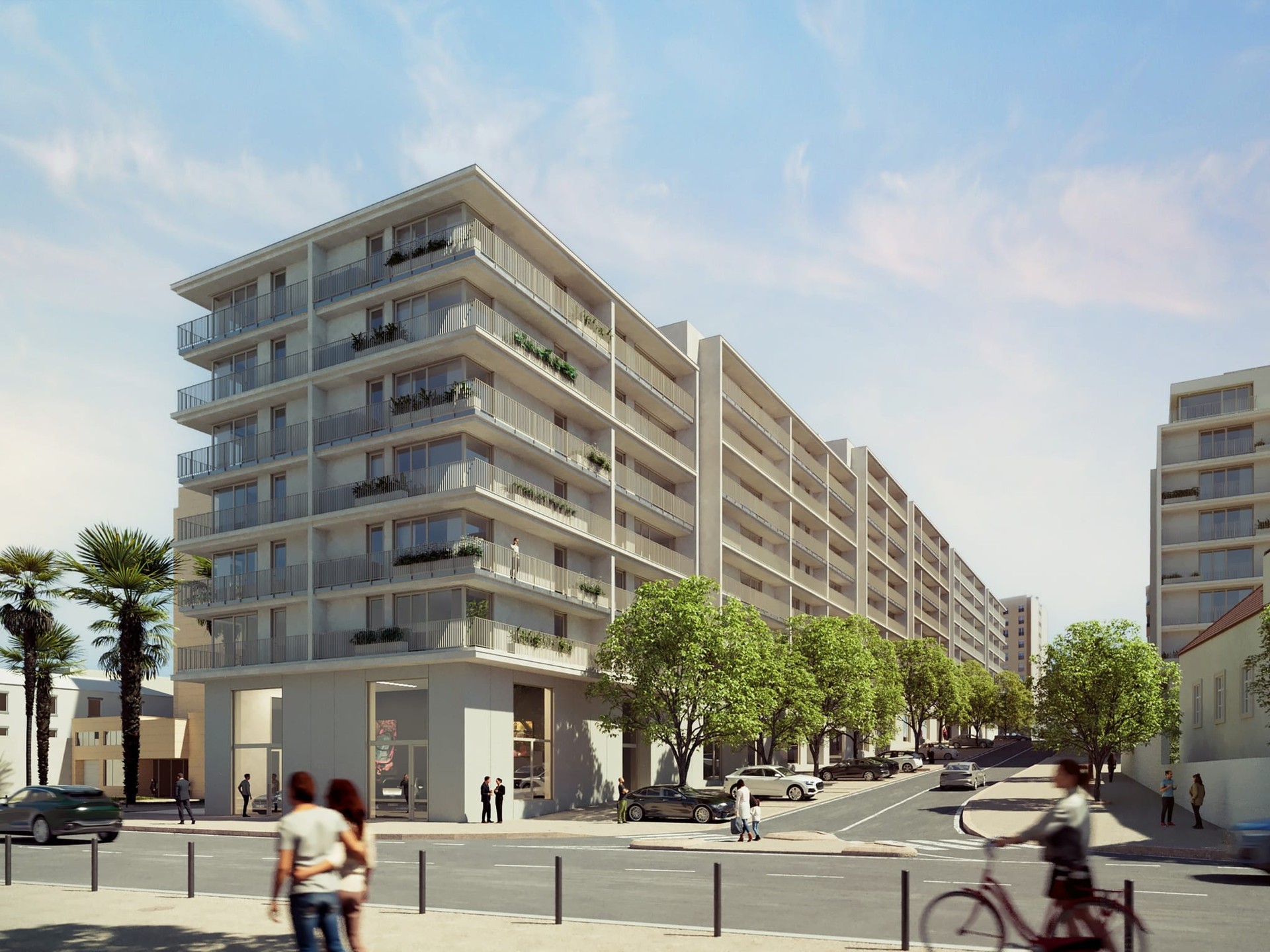
NoLiPa
APARTMENT · Alameda das Linhas de Torres, Lumiar, Lisboa, Lisboa, Portugal
EUR 435K – EUR 1.36M
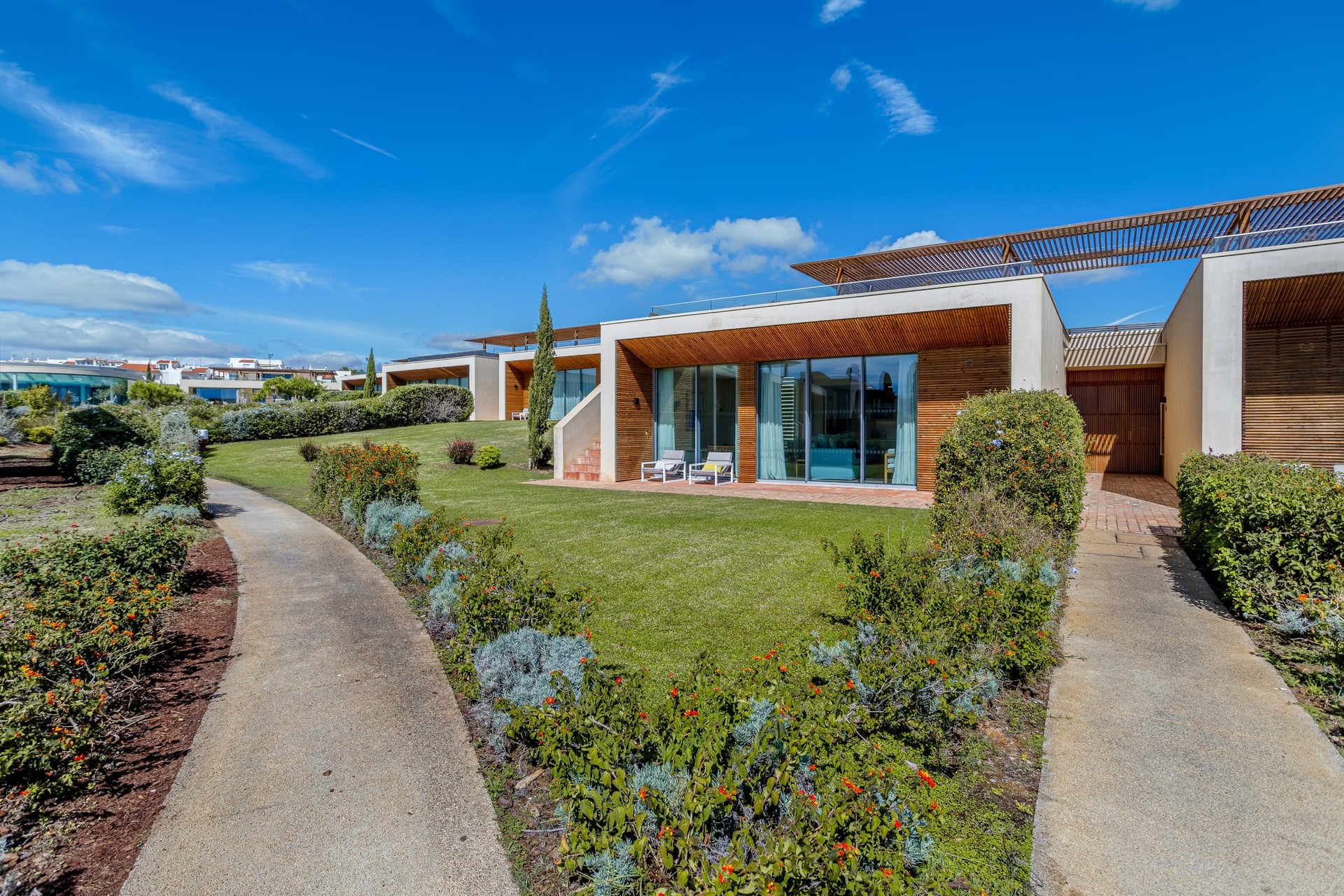
White Shell
VILLA · Quinta Senhora da Rocha, Porches, Lagoa, Faro, Portugal
From EUR 675K

Freedom
APARTMENT · Rua Actor António Cardoso, Arroios, Lisboa, Lisboa, Portugal
EUR 450K – EUR 850K
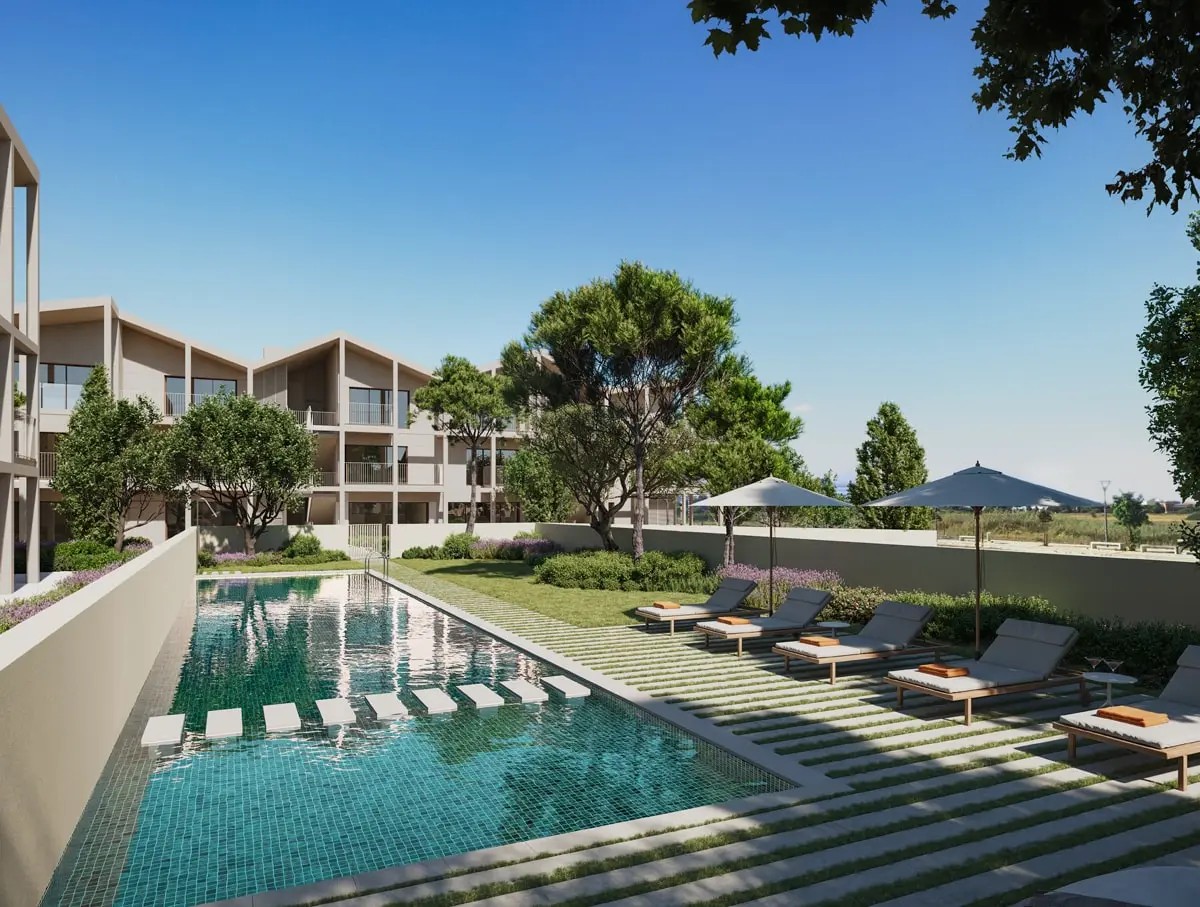
Nobilus
Apartment · Vilamoura, Algarve, Portugal
EUR 680K – EUR 1.80M

The nomad is tomorrow’s resident
Why this intent feeds the other three.
How does the digital nomad intent connect to property buying?
It is the trial period for every other intent. The nomad year is how a family test-drives a jurisdiction’s safety, schools, tax regime, and lifestyle before committing capital. The markets winning nomads in 2026, Portugal, Greece, Malaysia, the UAE, are building the buyer pipelines of 2028.
Intric maps this intent alongside residency implications, preservation characteristics, and education access across more than 70 markets on a comparable basis, so a family can see where a single purchase satisfies the most of what it is actually trying to do. The intelligence layer surfaces the comparison and the trade-offs. The judgment, and the decision, stay with the investor and their advisers.
For HNW investors and families. Intric is a private, invitation-only network for cross-border residential investment across 70+ markets. Members access comparative intelligence first, and specific opportunities second. Explore the free Explorer tier at intricglobal.com/en/subscribe.
On INTRIC now — Still open in PORTUGAL — every one of these answers enquiries directly.
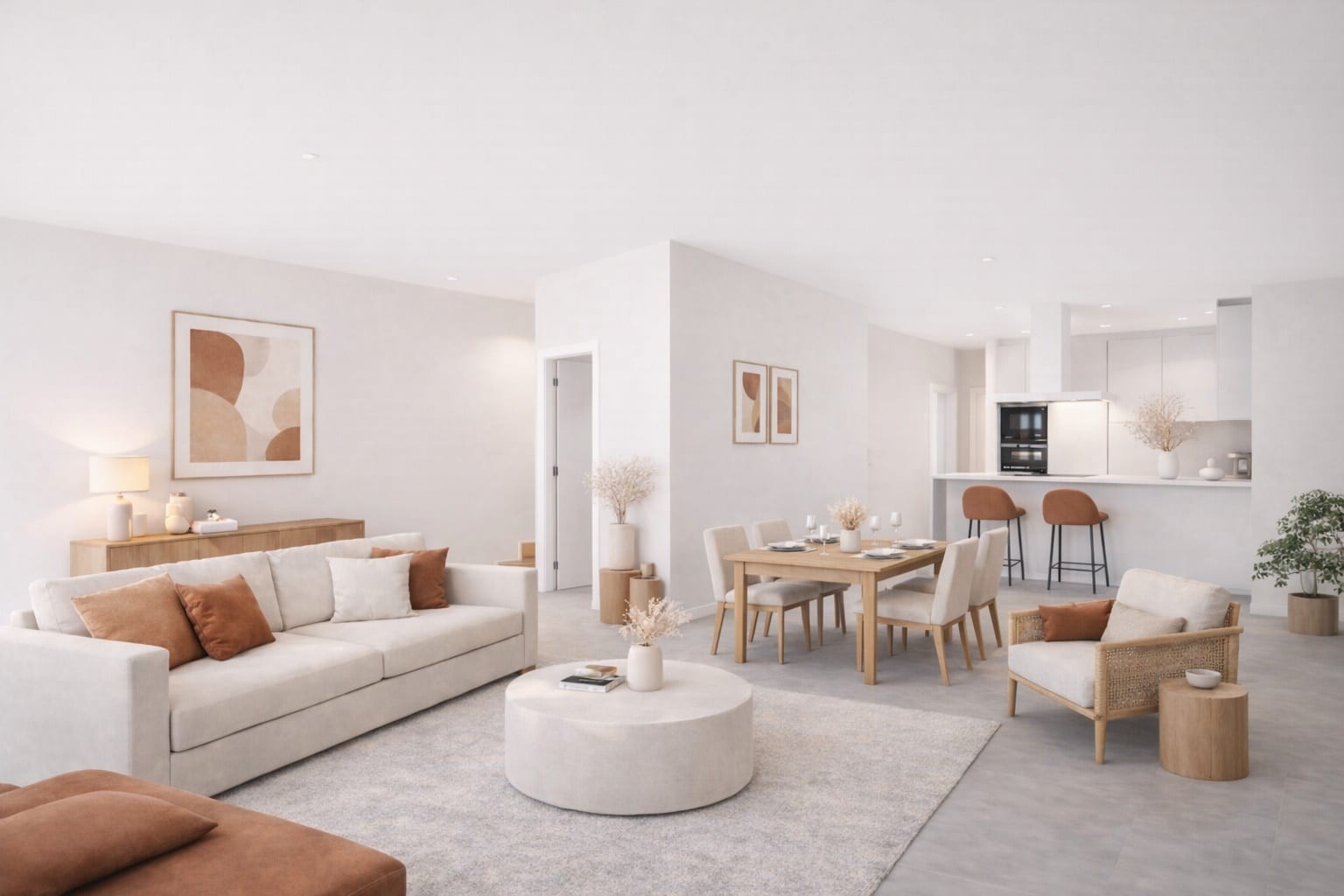
Estrela e Vigorosa Sport
APARTMENT · Rua Estrela e Vigorosa Sport, Bonfim, Porto, Portugal
EUR 575K – EUR 750K

One Green Way
Apartment · Quinta do Lago, Algarve, Portugal
EUR 3.80M – EUR 8.00M
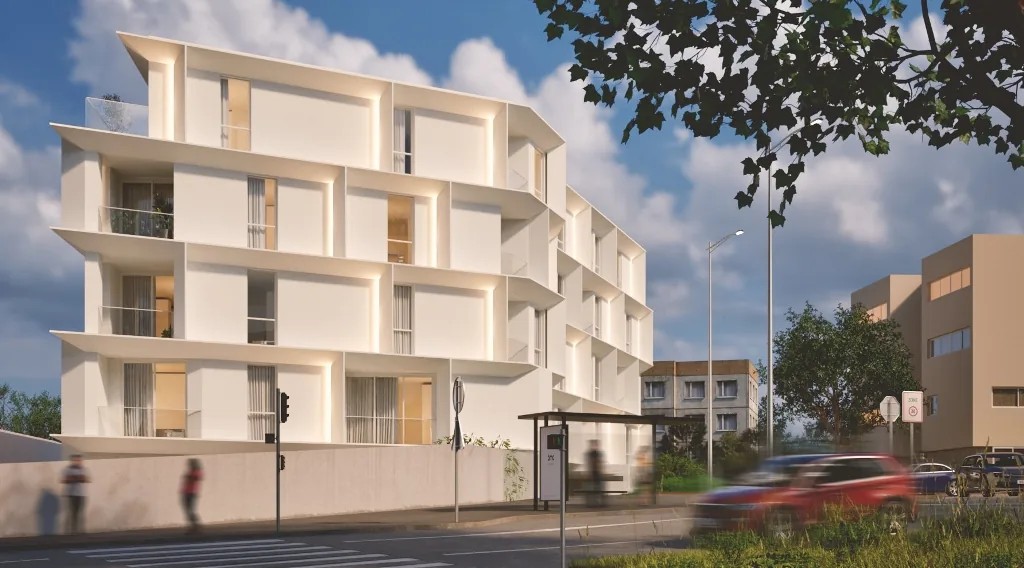
Circunvalação 14402
APARTMENT · Estr. da Circunvalação 14402, Matosinhos, Portugal
EUR 170K – EUR 450K
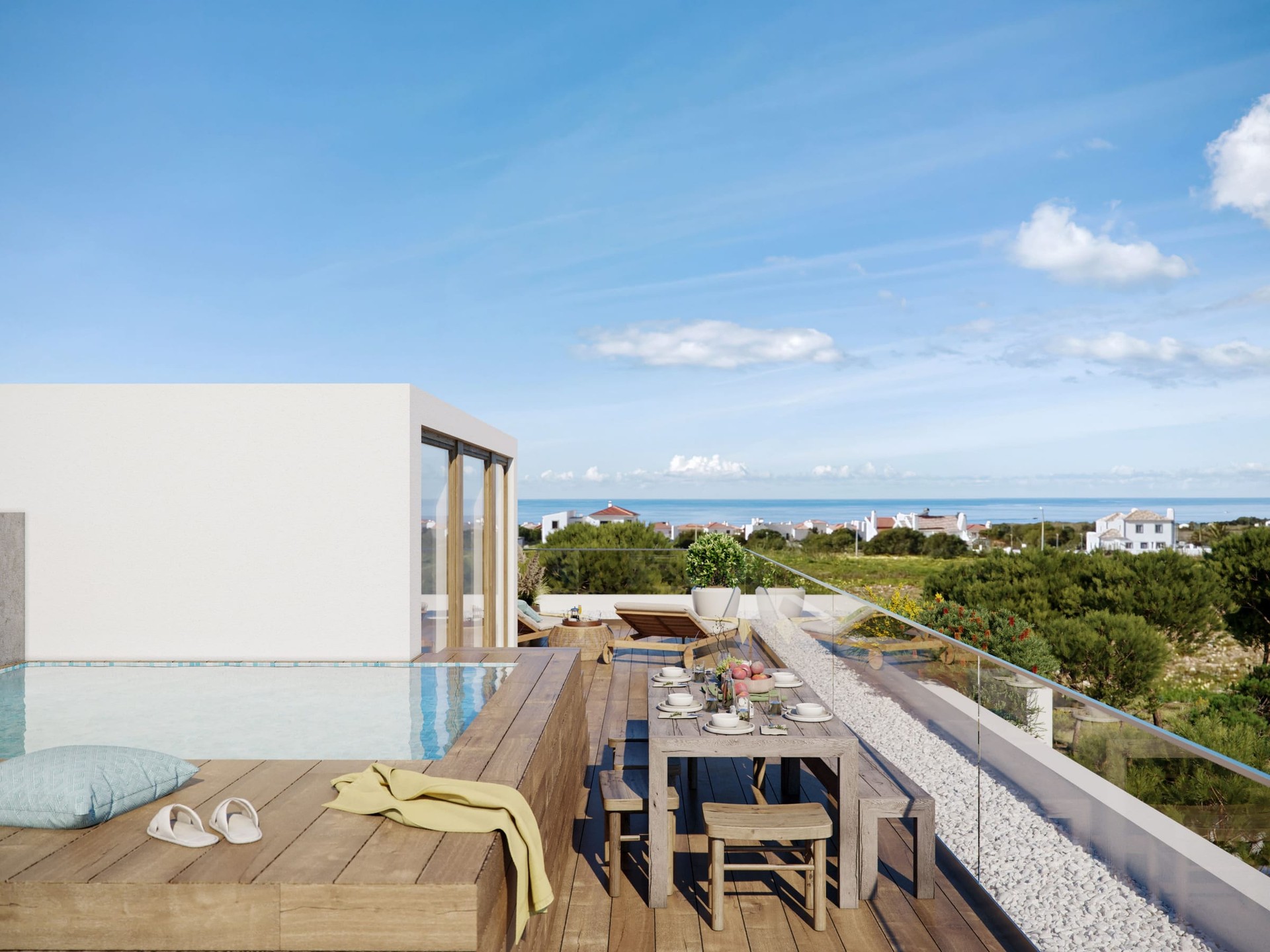
Pestana Porto Covo
APARTMENT · Pestana Porto Covo Village, Porto Covo, Sines, Setúbal, Portugal
EUR 550K – EUR 620K
Abhii Dabas is the Founder and CEO of INTRIC Global, the cross-border property intelligence platform for serious investors. He advises high-net-worth buyers on international real estate strategy and has evaluated residential markets across more than 40 countries.